Interior Protection Services
Customers decide to use interior protection during construction, renovation, or maintenance projects when they need to protect clean, occupied, or operational areas from dust, debris, and disruption. It’s especially important in sensitive environments like:
- Warehouses with active inventory
- Food production or packaging facilities
- Hospitals, schools, and offices
- Retail stores staying open during remodels
Interior protection helps ensure that daily operations continue safely and cleanly—even when major work is happening overhead or nearby.
When do Customers Use Interior Protection System?
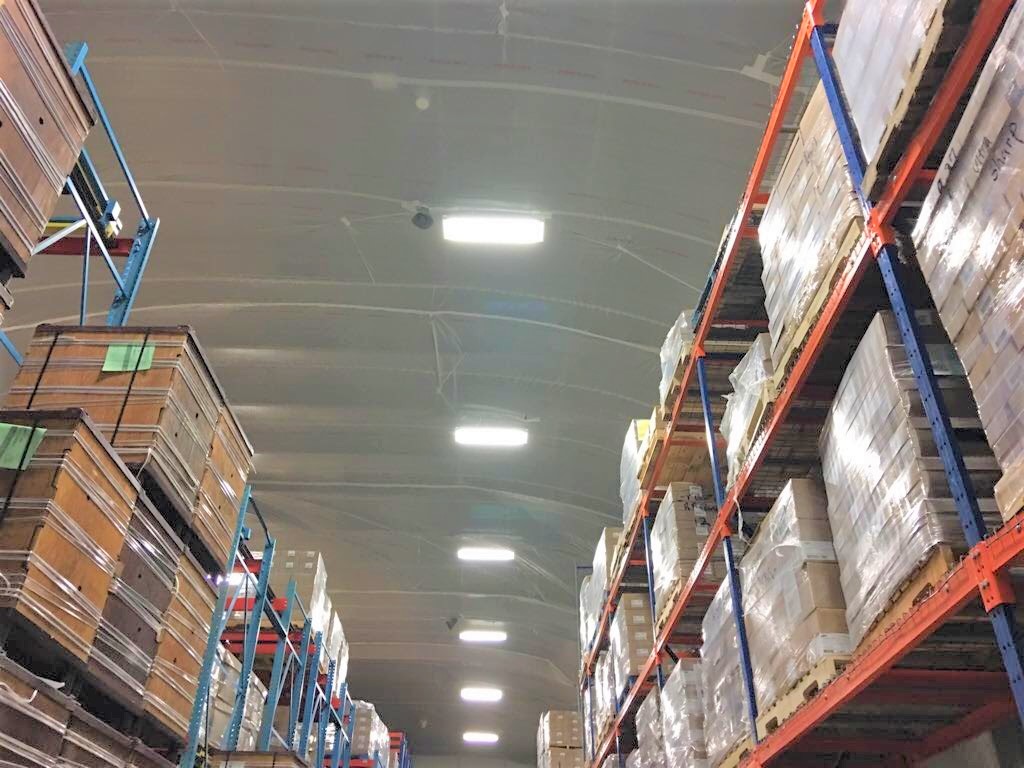
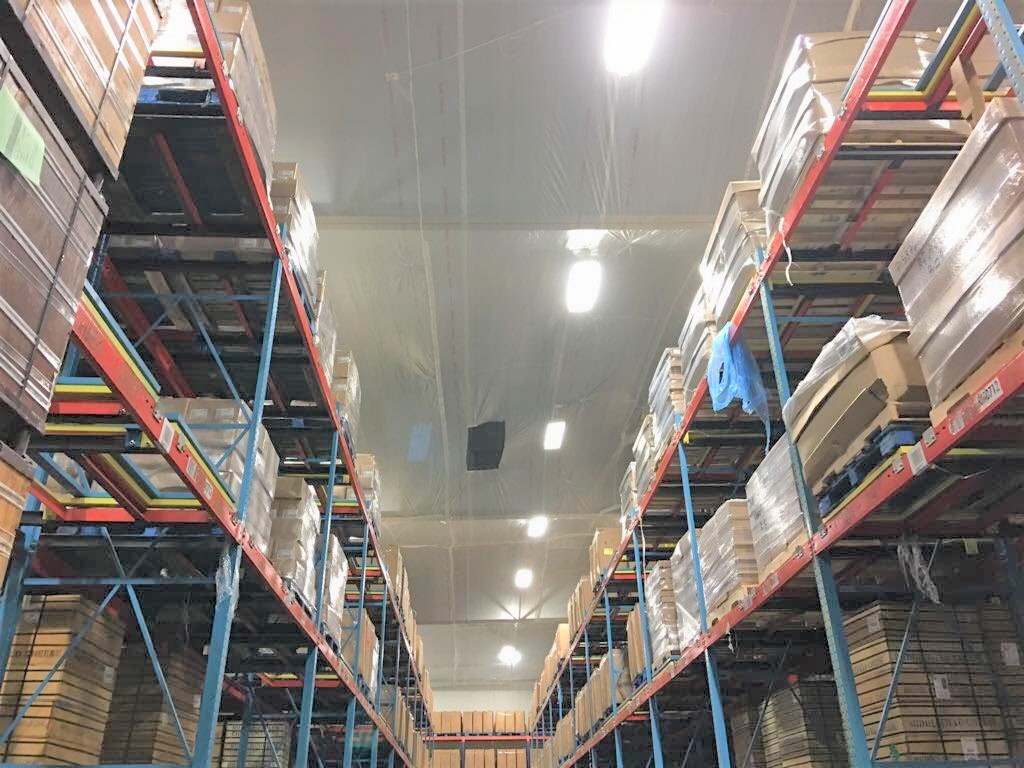
- During Roof Replacement or Repairs
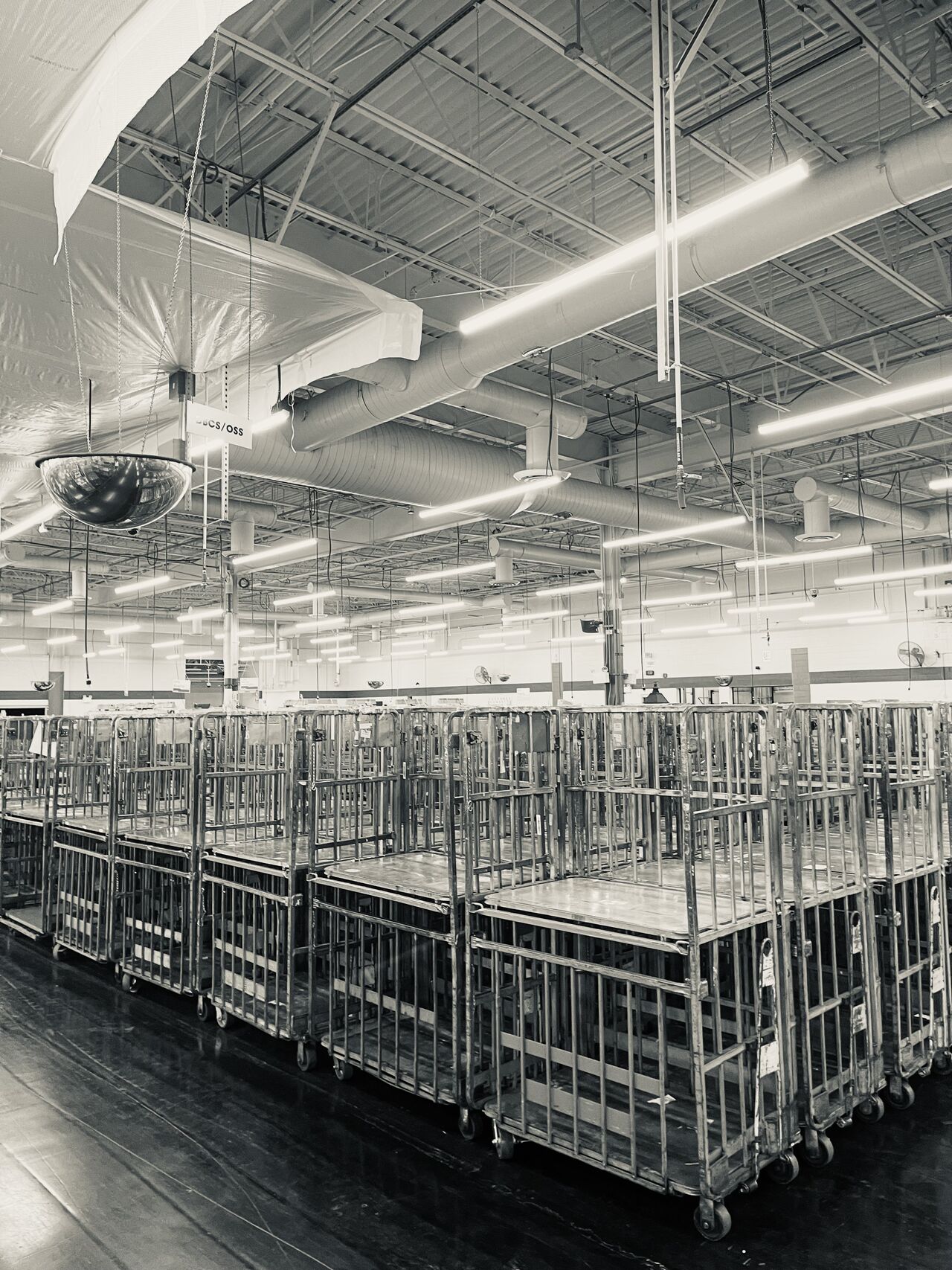
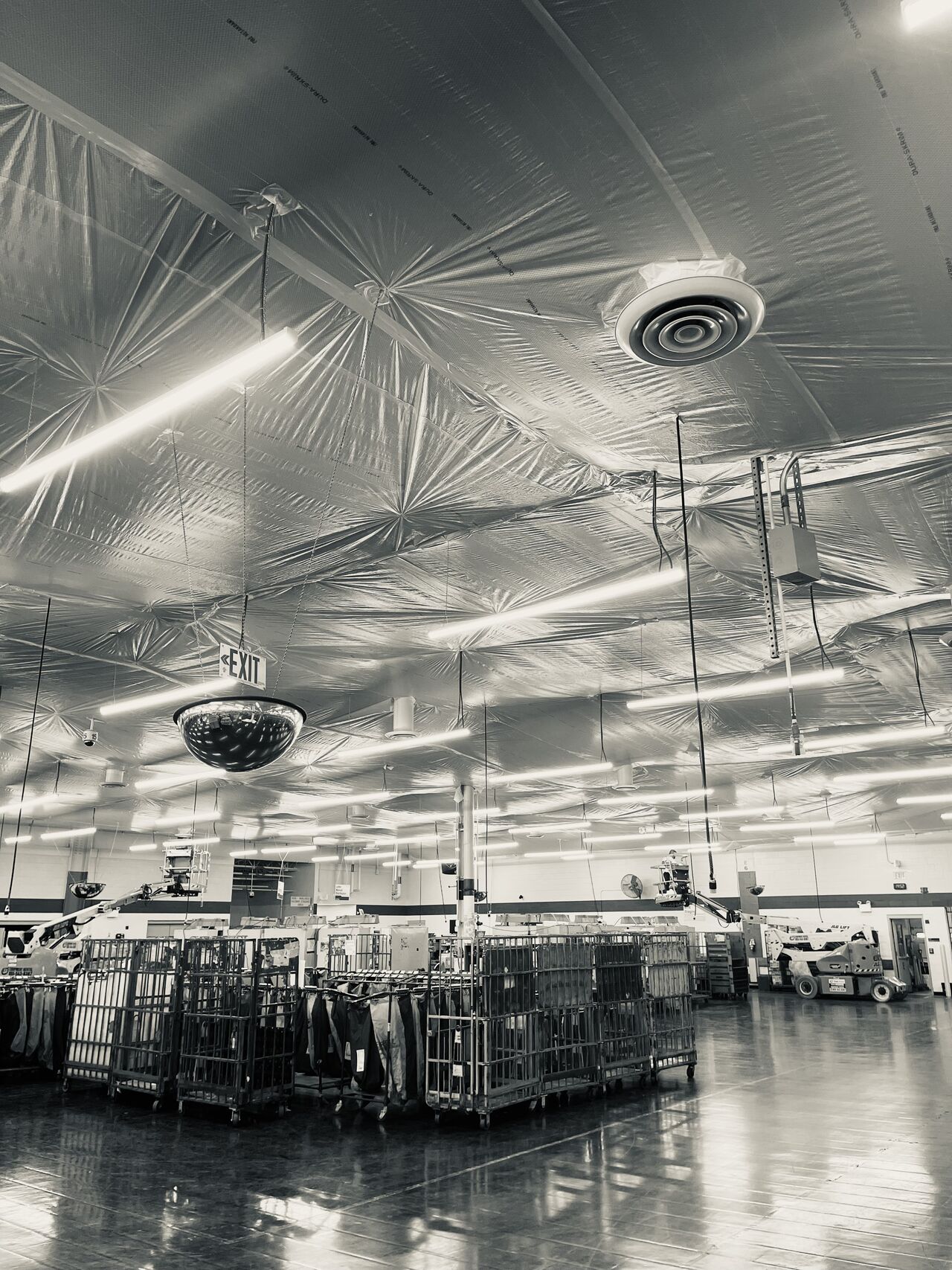
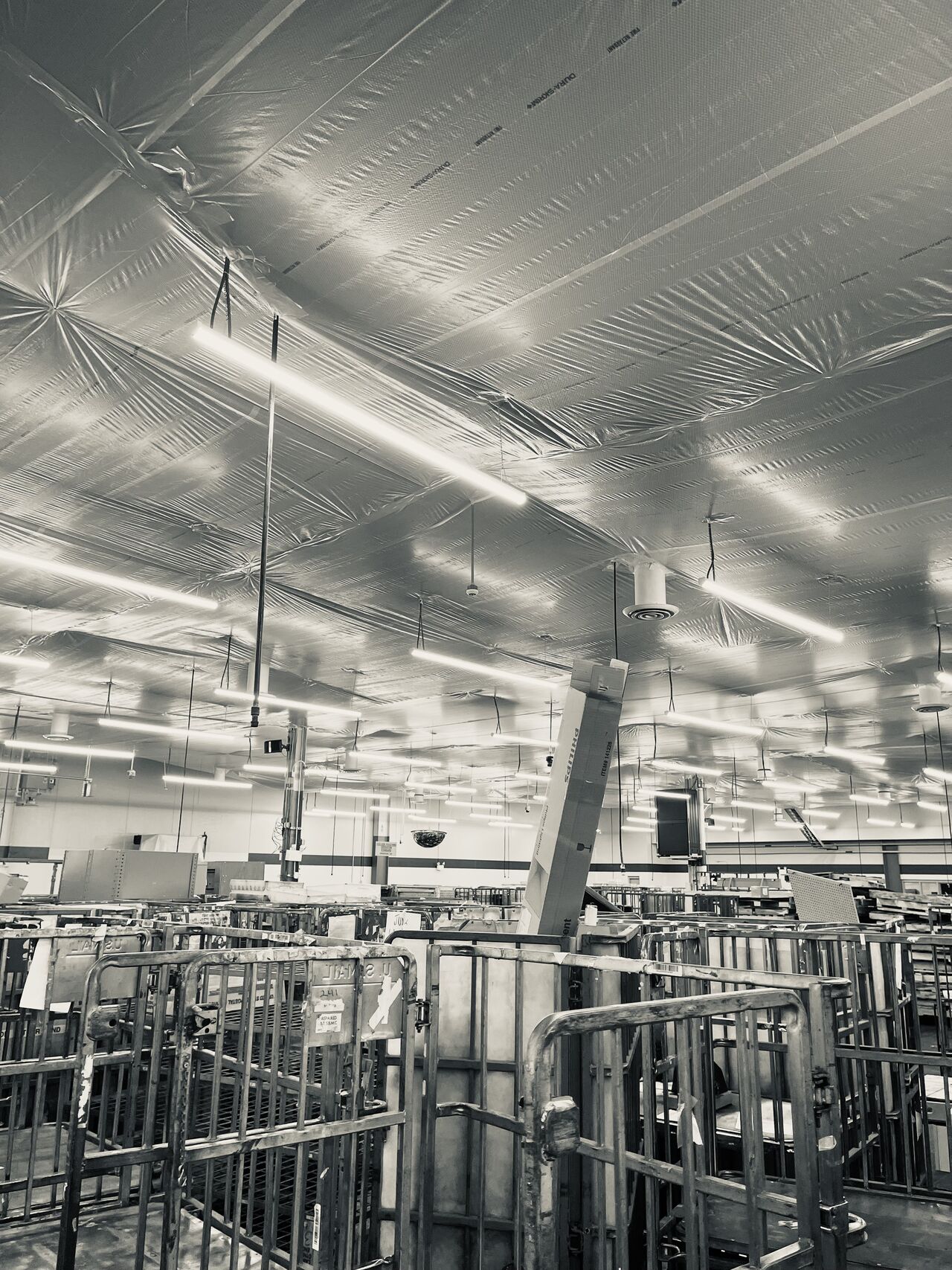
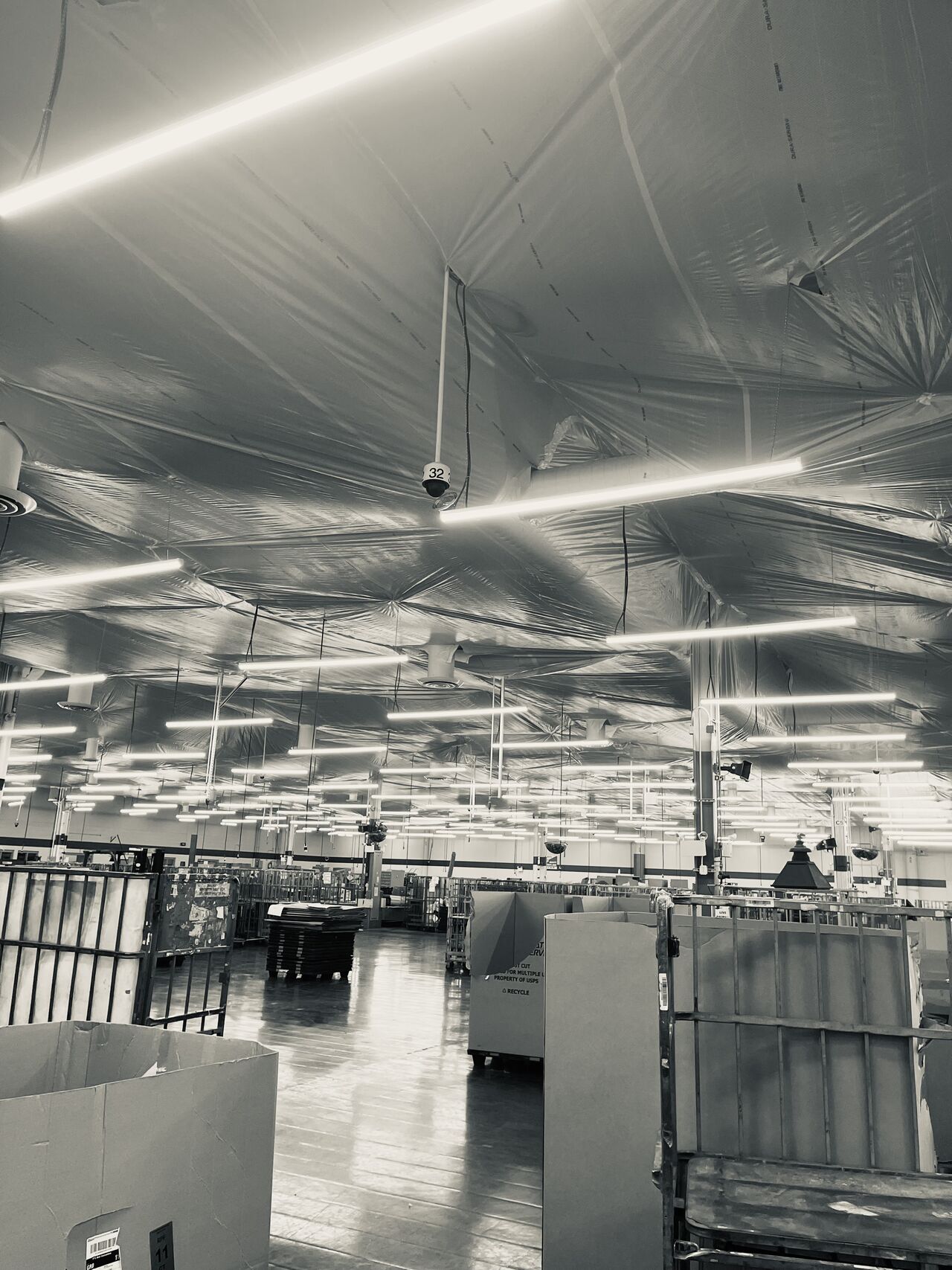
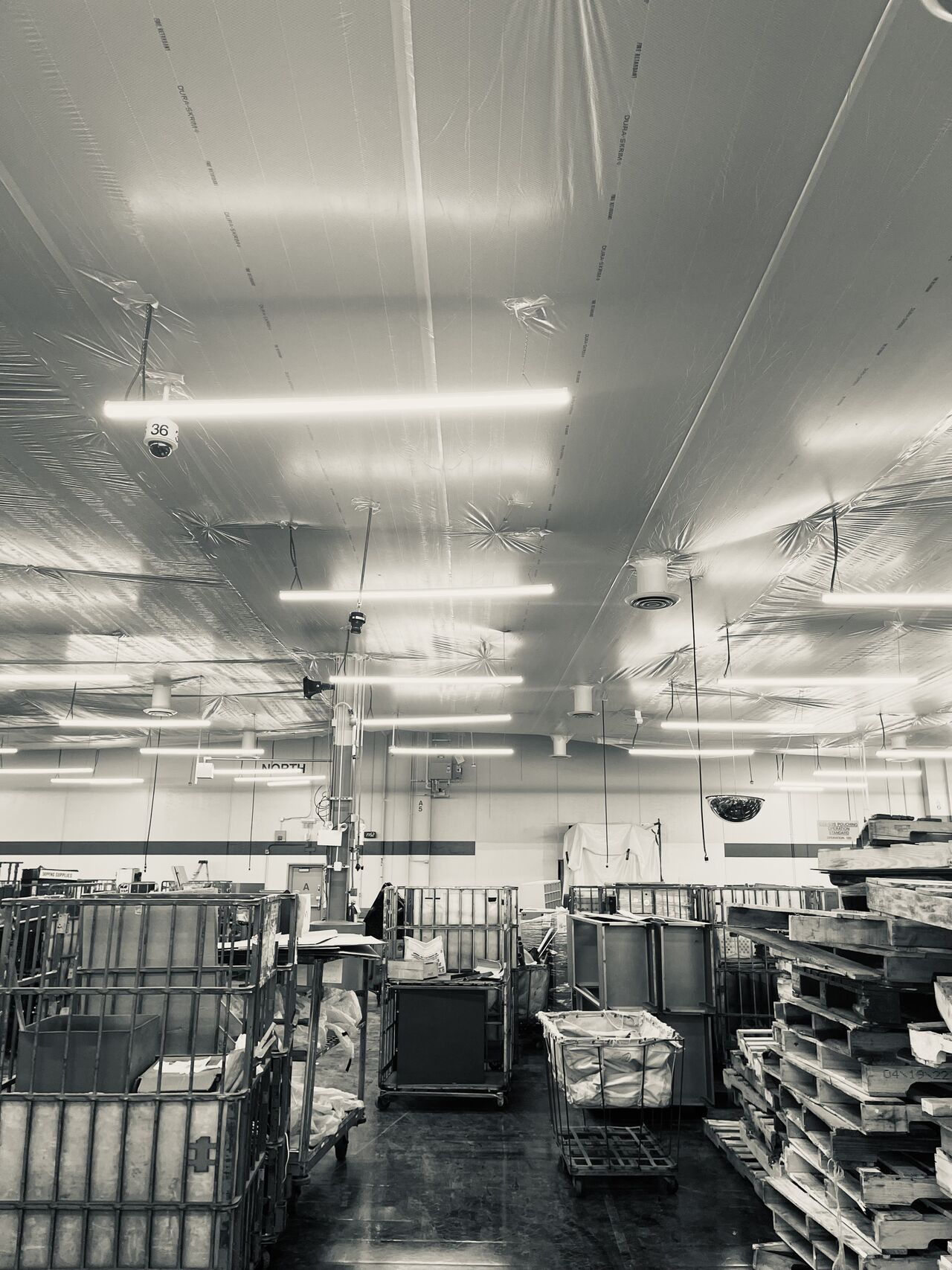
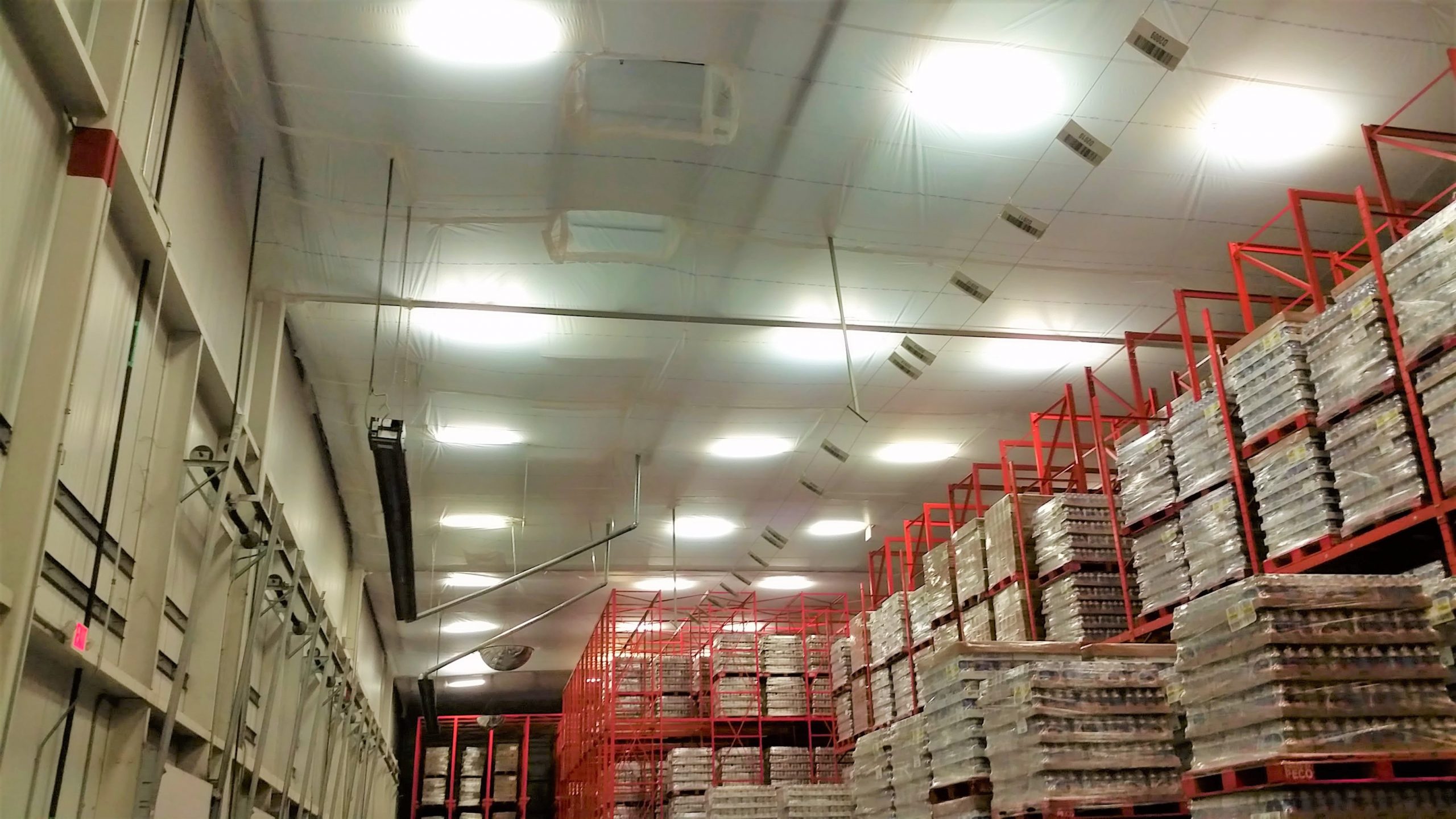
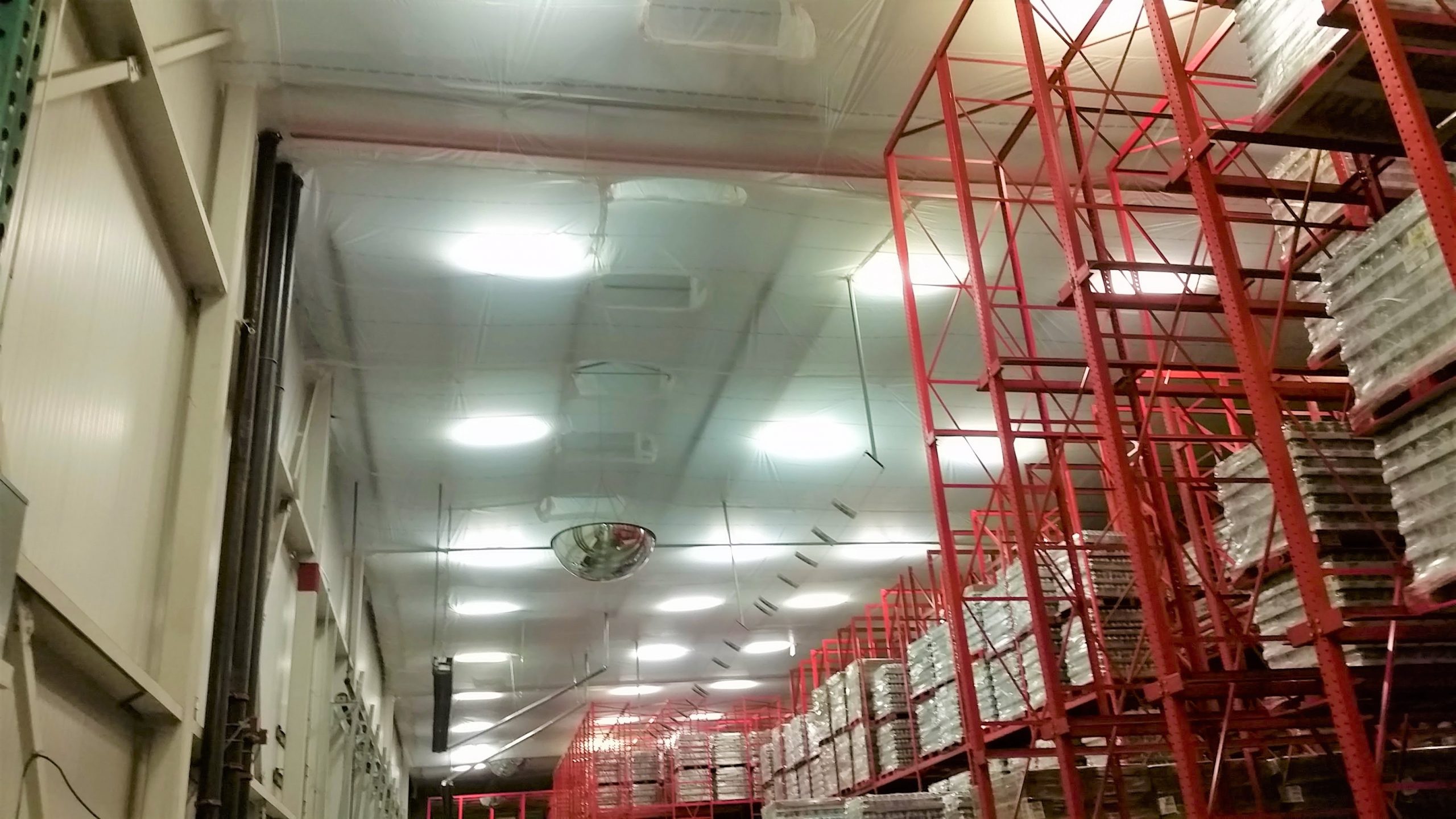
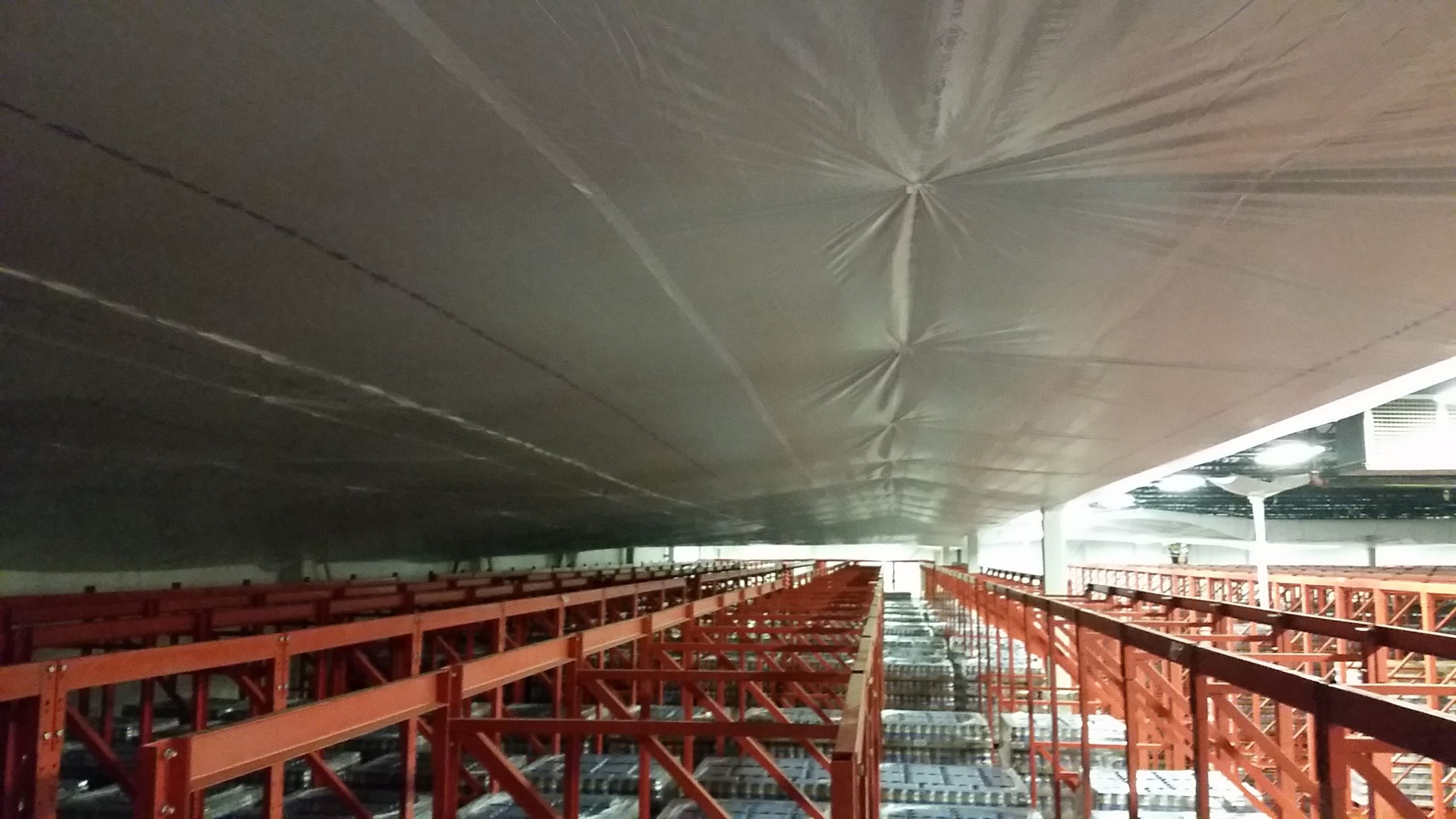
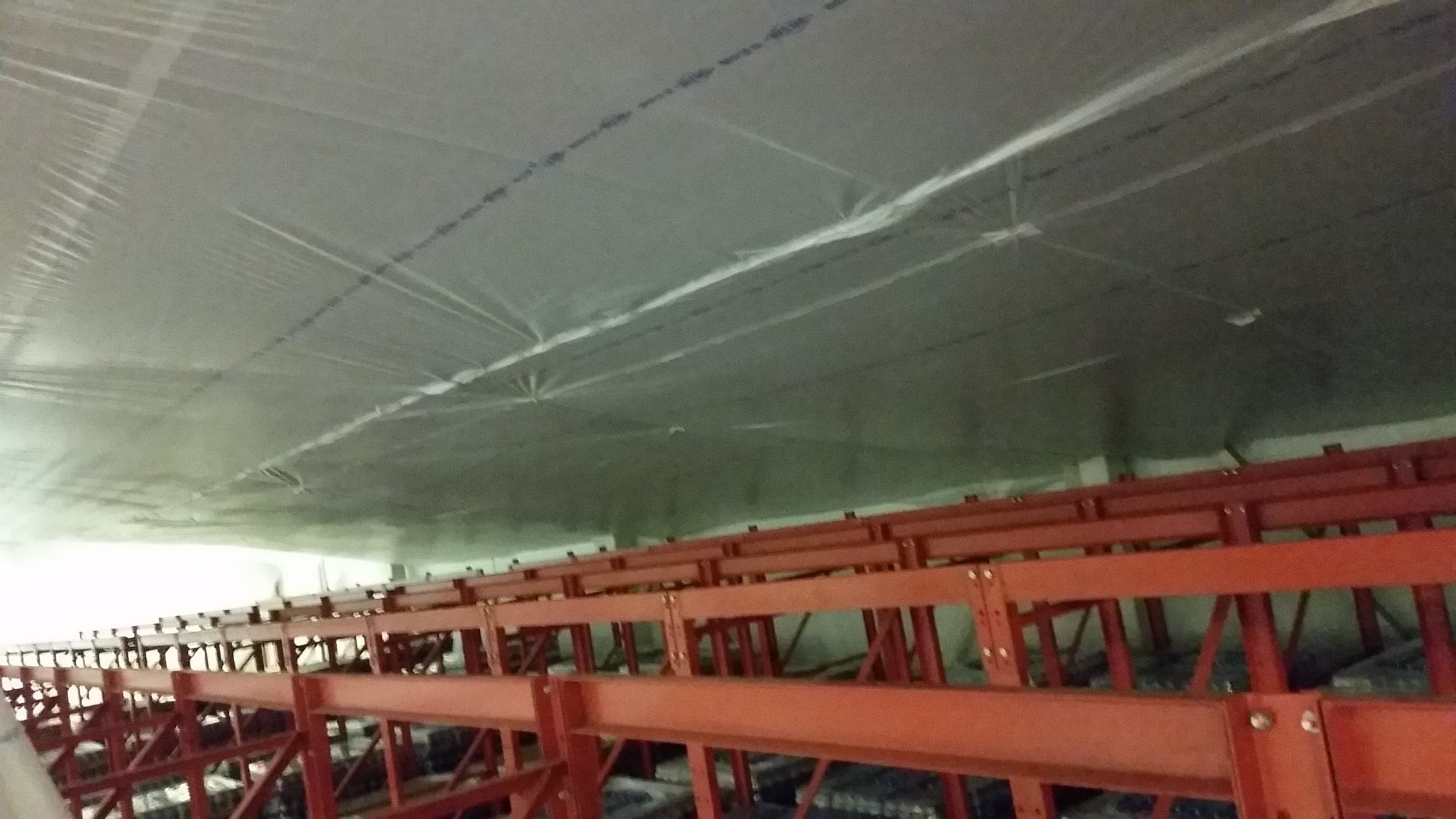
When a roof is removed or replaced, interior protection systems like suspended dust barriers or ceiling debris nets are installed to:- Catch falling dust and debris
- Prevent contamination of inventory, equipment, or production lines
- Keep operations running below the work area
Example: A manufacturing plant uses interior protection to continue production while the roof is being replaced—without shutting down.
- To Contain Dust During Renovation or Construction
Interior protection barriers (temporary walls or floor-to-ceiling containment) are used to isolate:- Construction zones from clean areas
- Occupied office or retail spaces from active remodels
- Food-safe zones from nearby work activity
Example: A grocery store remodels the deli area while staying open to the public by using clear, sealed containment walls.
- To Maintain Cleanliness in Food, Pharma, and Tech Facilities
Strict industries like food processing, pharmaceuticals, or electronics manufacturing must meet cleanroom standards. Interior protection helps by:
• Preventing airborne contaminants
• Controlling airflow and pressure
• Creating isolated work zones within clean environmentsExample: A pharmaceutical facility uses floor-to-ceiling walls and air scrubbers during HVAC upgrades to maintain FDA compliance.
- To Protect Occupants and Staff
Interior protection ensures the safety of people in or around the project site—especially in:- Schools and universities
- Hospitals and clinics
- Government buildings or occupied offices
Example: A hospital uses interior containment walls during a wing renovation to separate patients from construction dust and noise.
- To Minimize Downtime and Business Disruption
Instead of shutting down a building or moving operations, customers use interior protection to work around their schedule, not stop it.Example: A corporate office installs dust barriers during ceiling work over a weekend, allowing work to resume Monday with no mess.
- Interior Protection Services May Include:
- Suspended ceiling debris containment
- Temporary dust walls (soft-wall or hard-wall)
- Negative air pressure & HEPA filtration
- Zip walls or access doors
- Total work zone enclosures