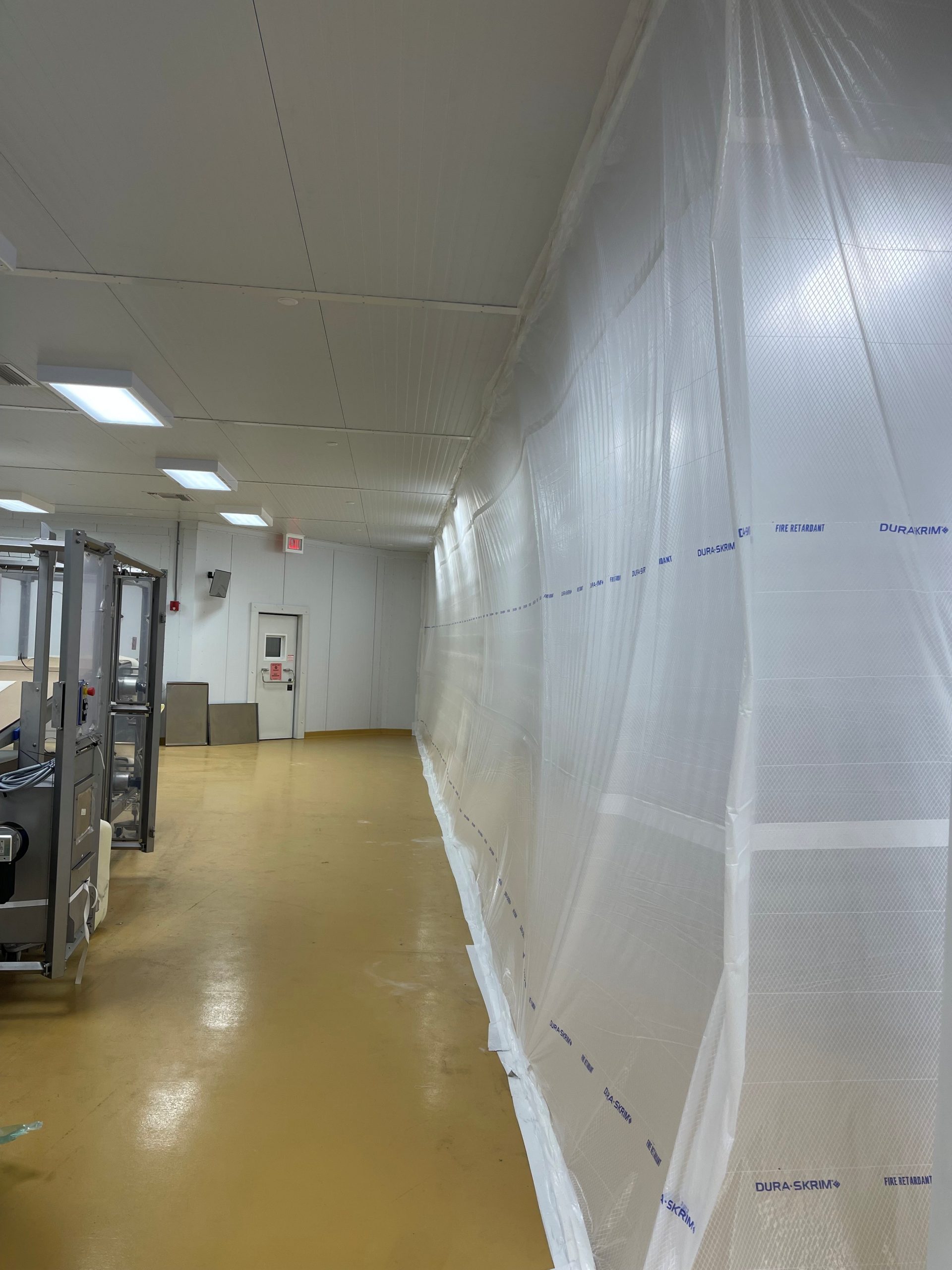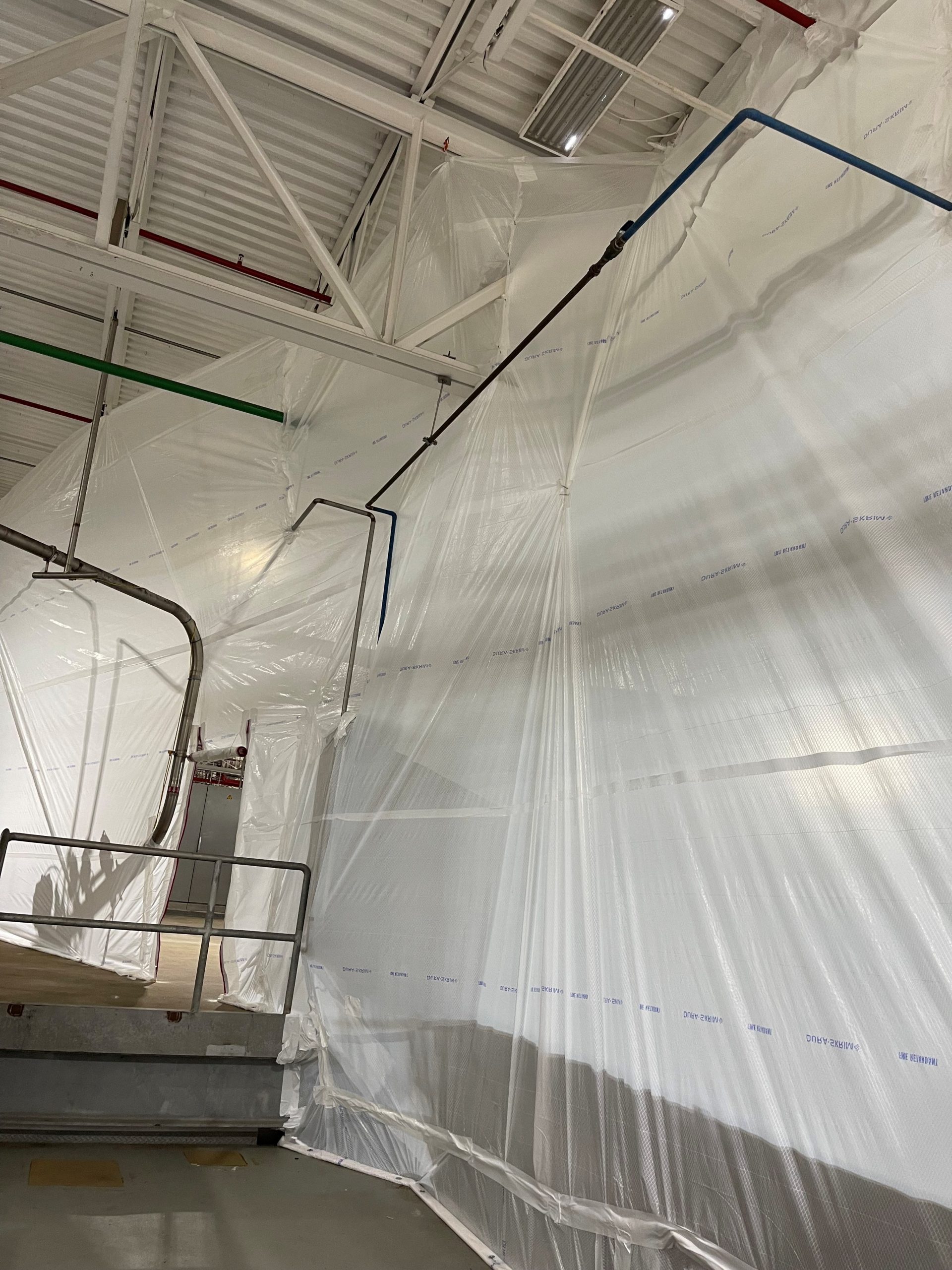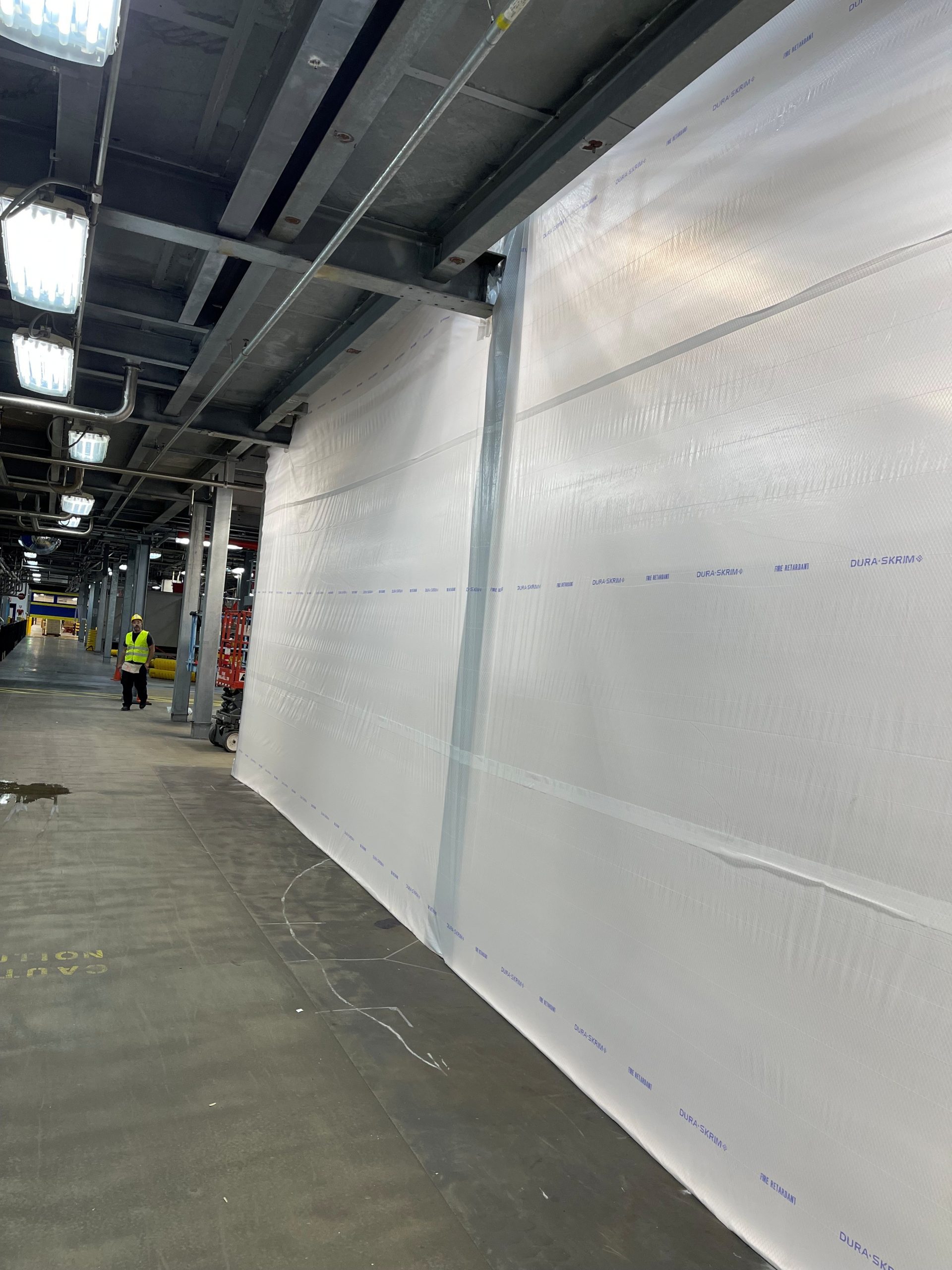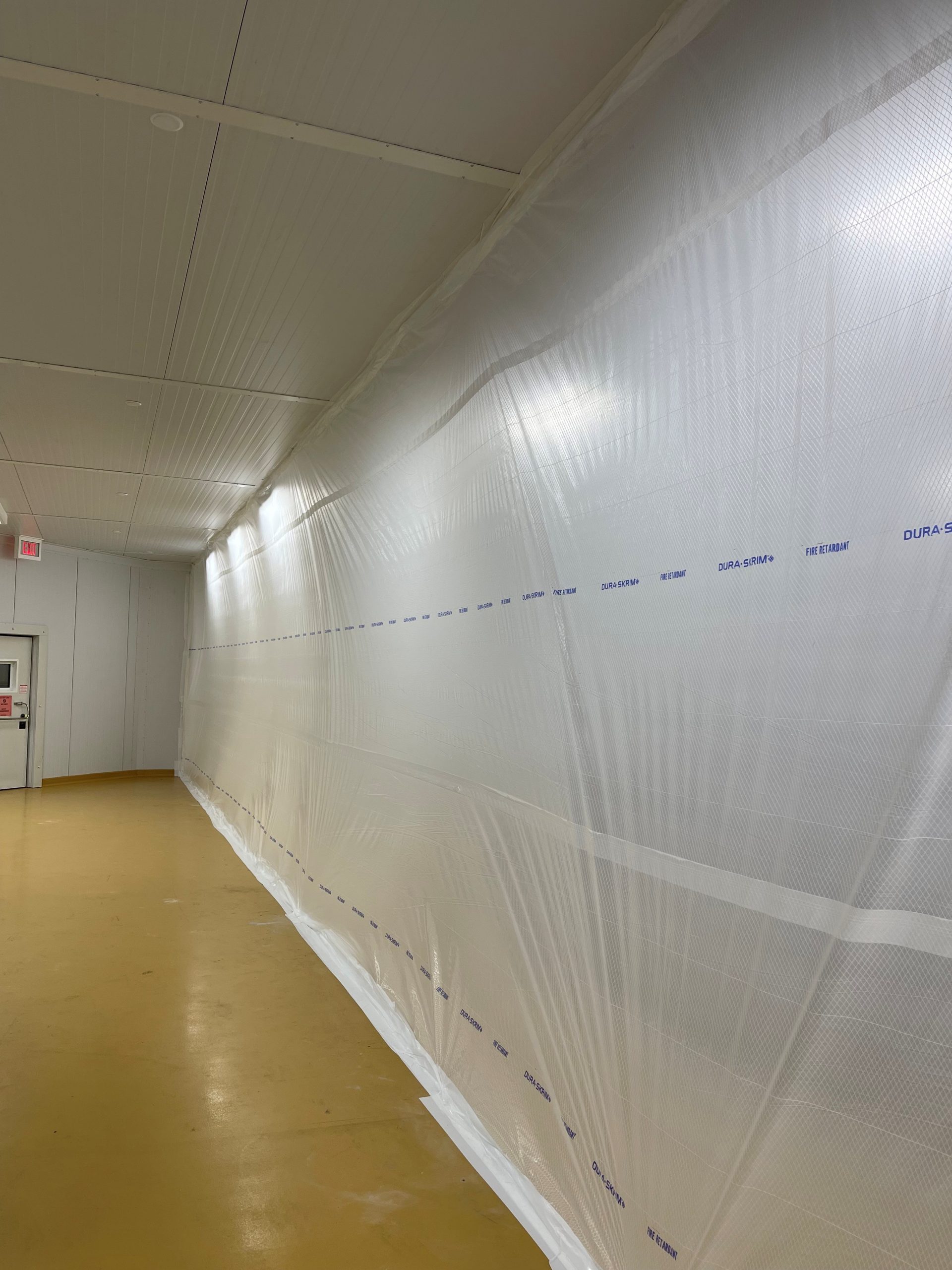
Protect People, Equipment, Finished Spaces from Dust
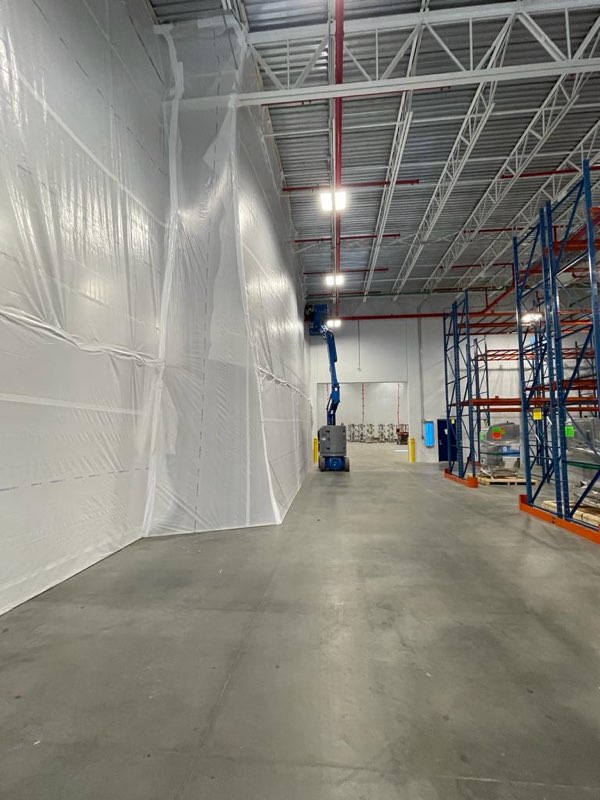
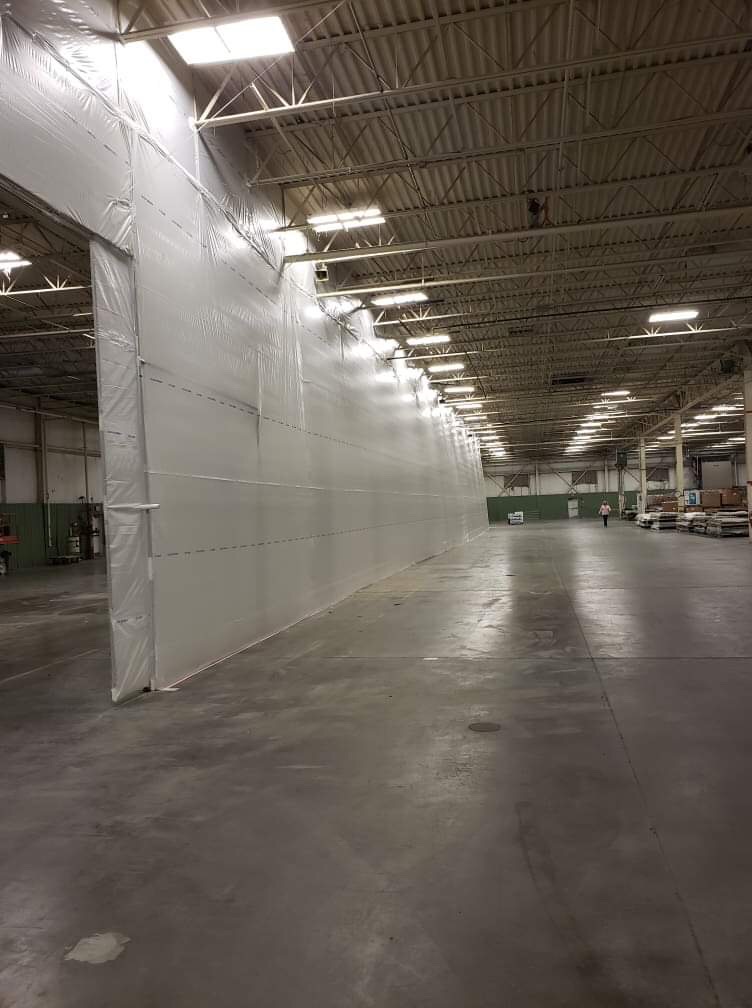
Industrial temporary dust walls—also known as interior protection barriers or full-height containment systems—are engineered solutions designed to safely isolate active construction or renovation areas from occupied, sensitive, or public-facing spaces. These systems play a critical role in maintaining clean air quality, operational continuity, and regulatory compliance during construction activities.
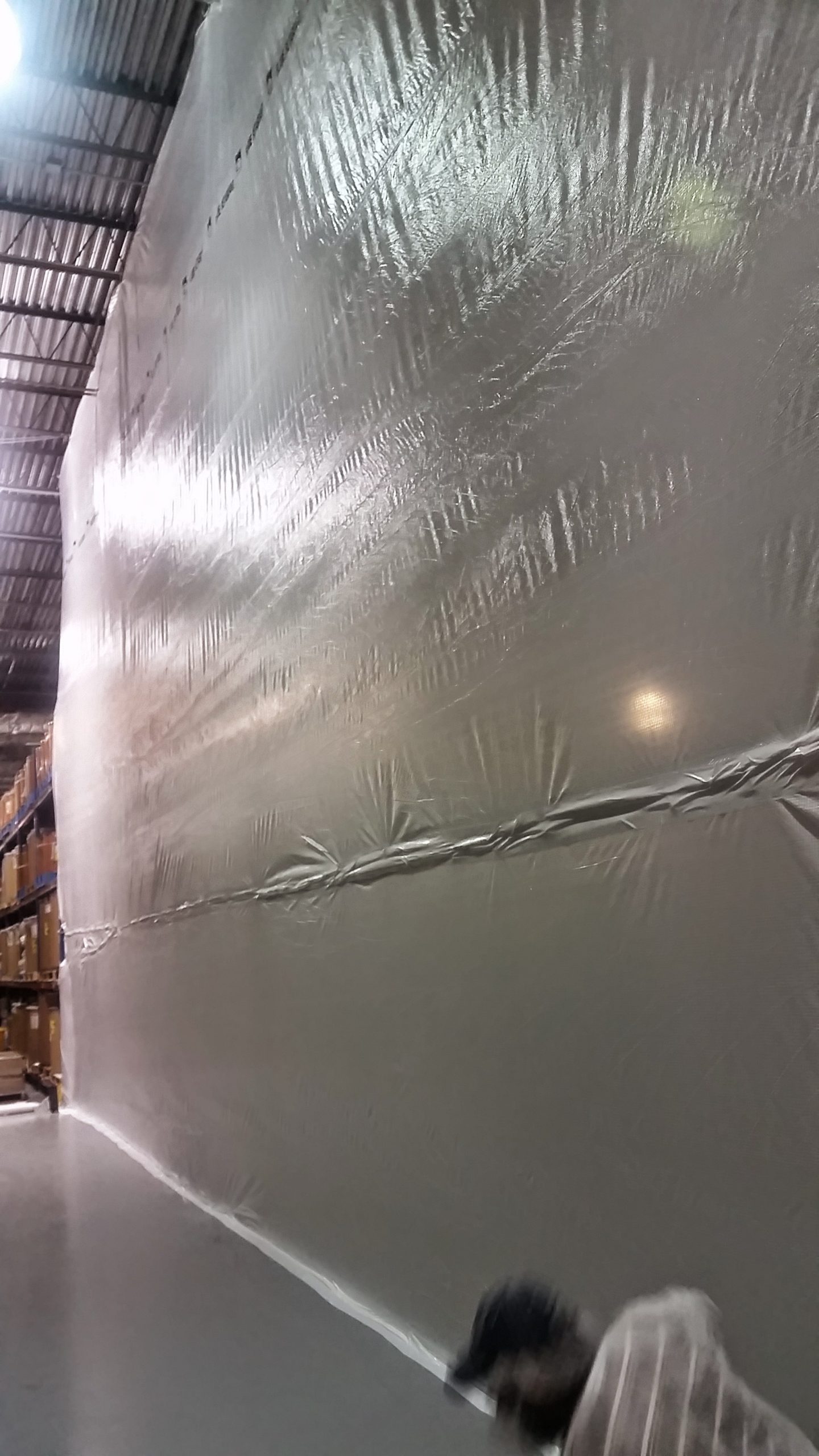
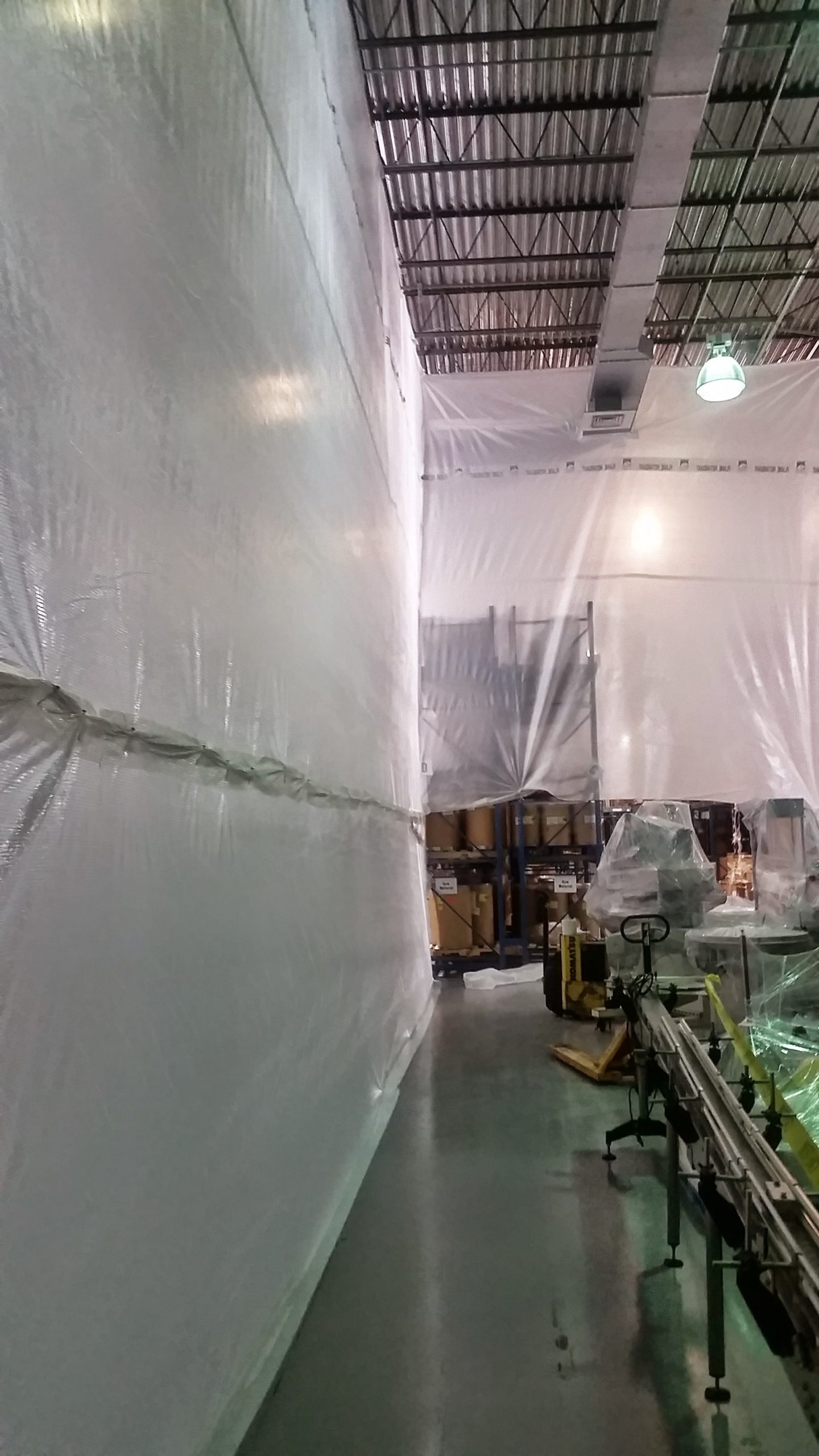
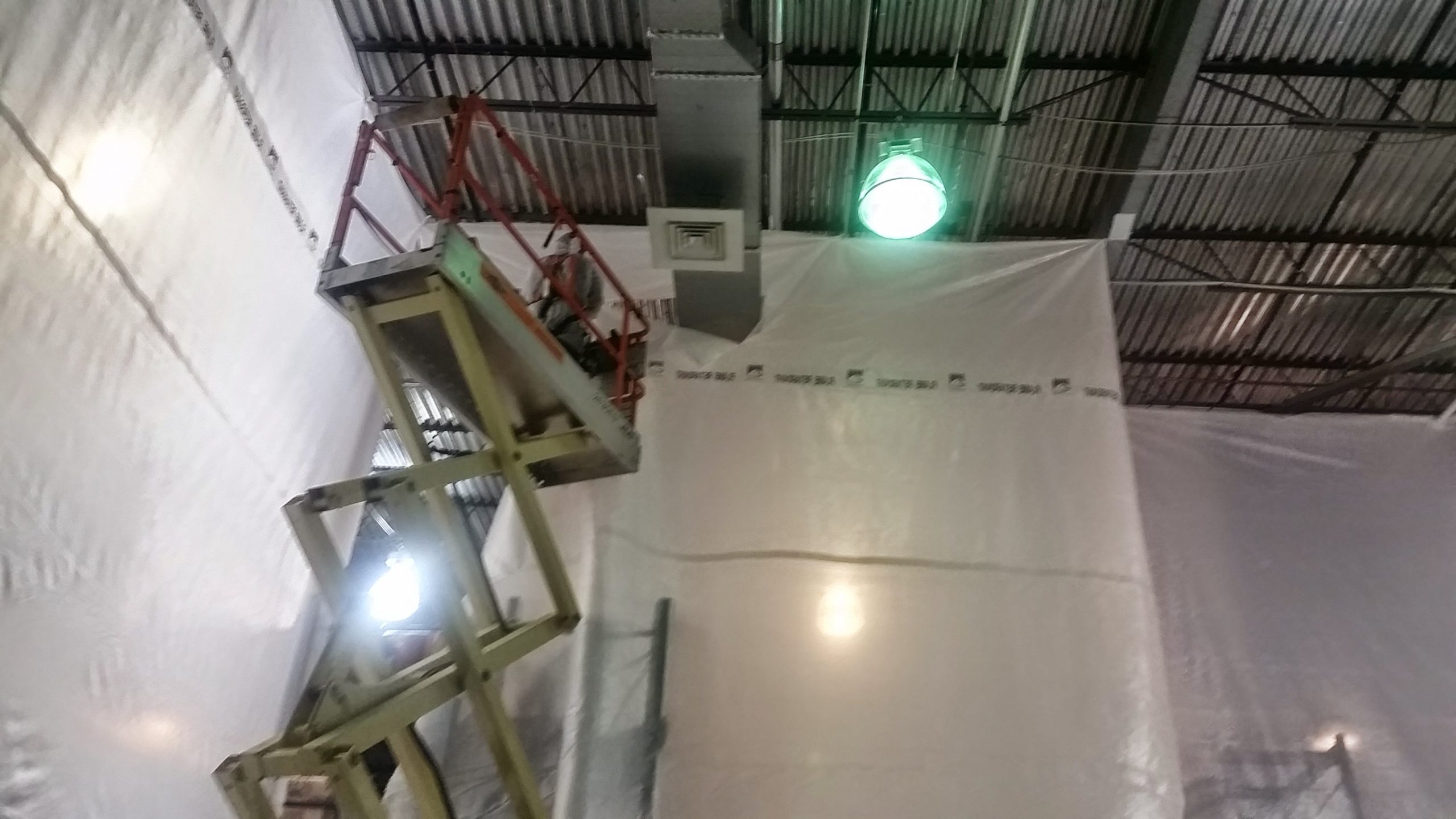
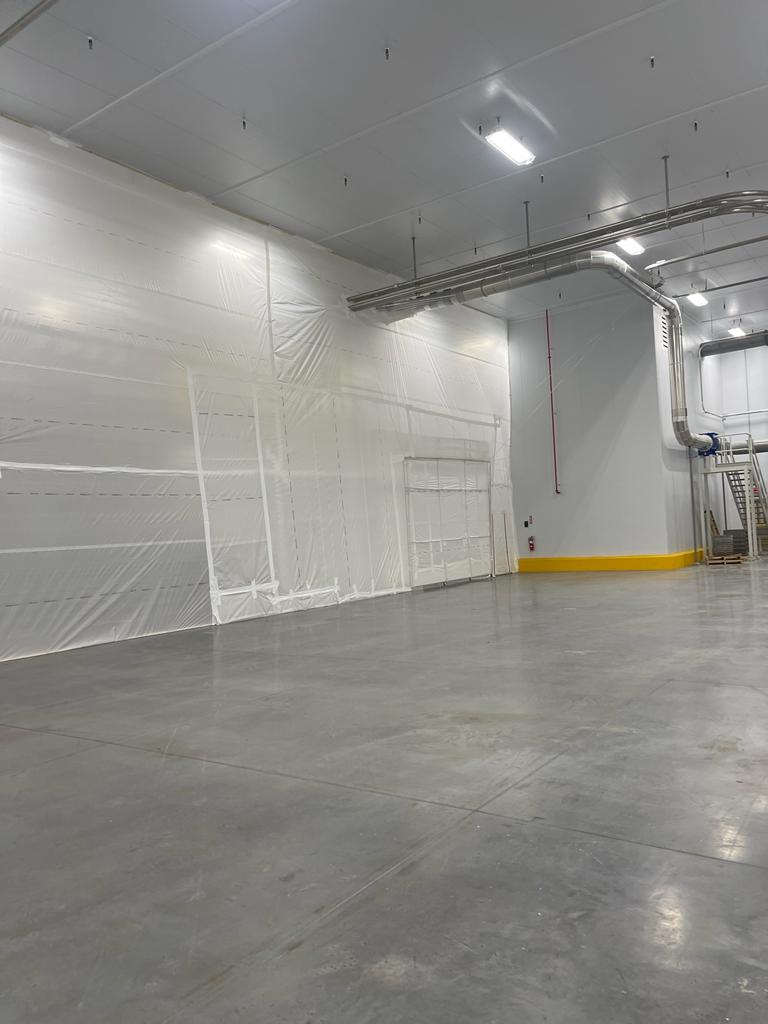
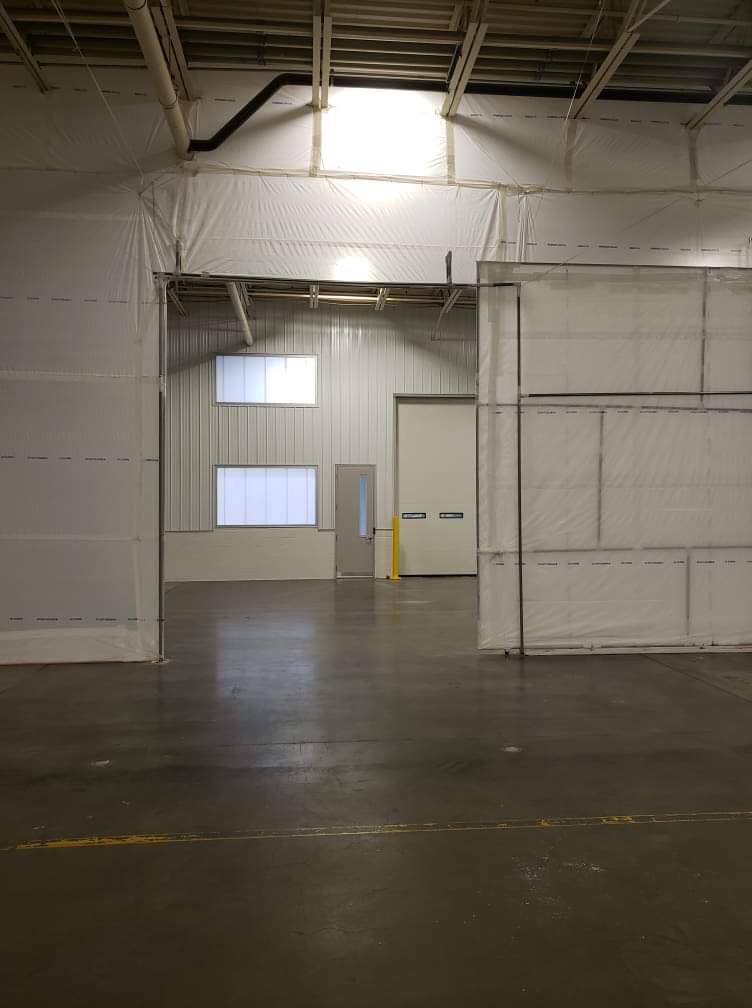
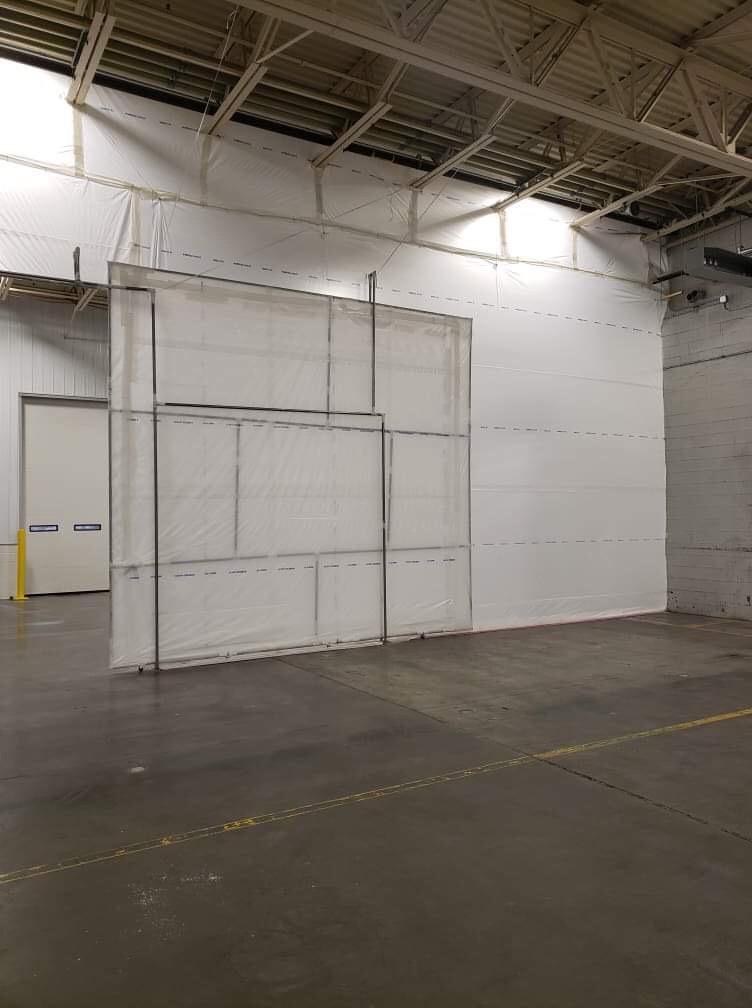
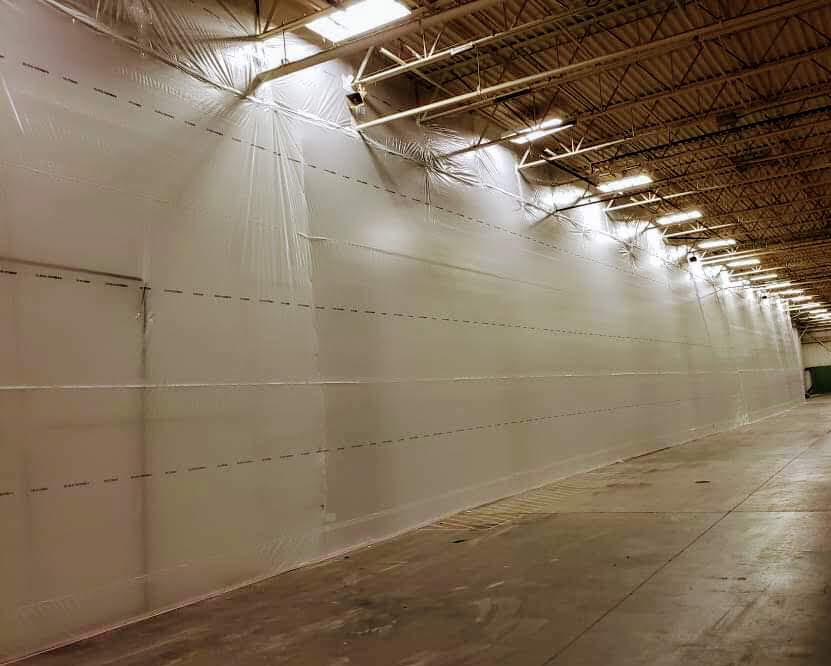
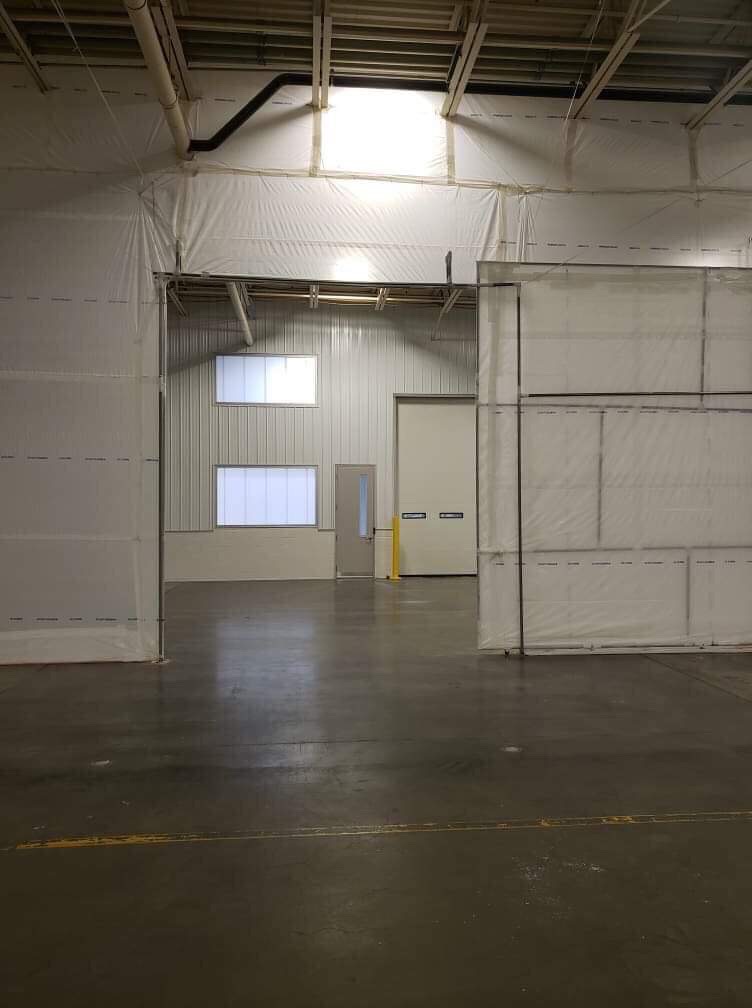
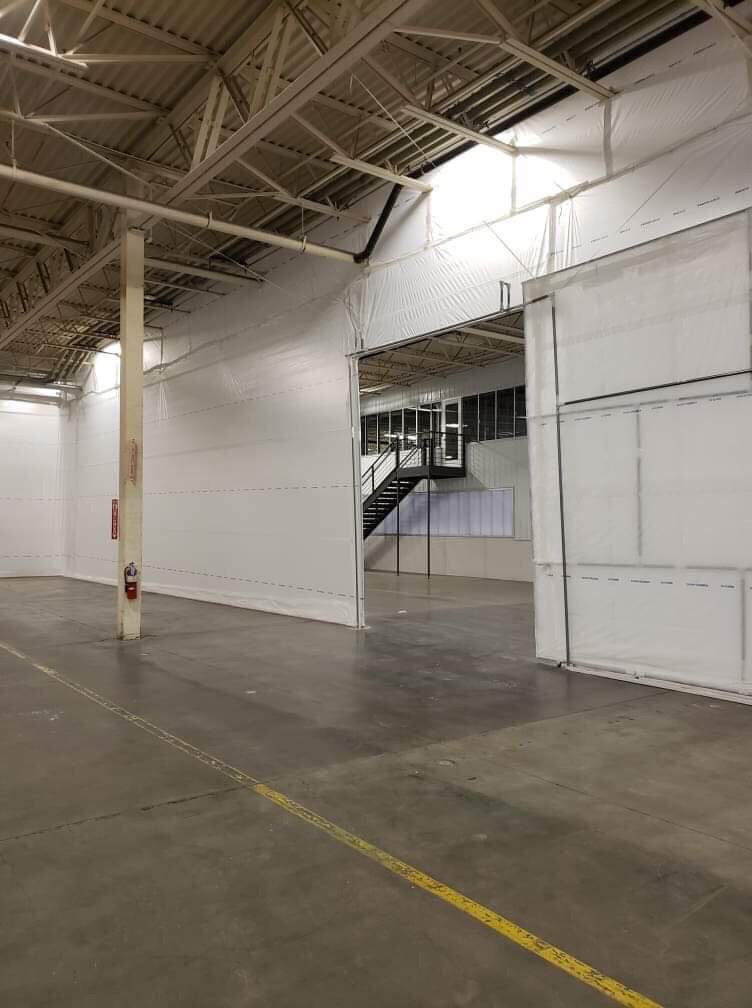
Our temporary containment solutions create a sealed, floor-to-ceiling barrier that prevents the migration of dust, debris, odors, and airborne contaminants beyond the work zone. Unlike simple plastic sheeting, these systems are professionally installed, structurally secure, and tailored to the environment in which they are used.
Common Applications
Interior protection barriers are widely used to separate:
Active construction zones from clean or finished areas
Occupied offices, hospitals, or retail environments from ongoing remodels
Food-safe or sterile spaces from nearby work activity
Public walkways from demolition, grinding, or cutting operations
Designed for Occupied & Sensitive Environments
Temporary dust walls are especially valuable in facilities that must remain operational during construction. Clear or opaque panel options allow natural light and visibility while still maintaining full containment. When required, barriers can be integrated with negative air systems, HEPA filtration, and sealed access points to further control airborne particles and maintain indoor air quality.
These systems are commonly used in:
Healthcare facilities and medical offices
Grocery stores and food service environments
Corporate offices and commercial buildings
Schools, universities, and public institutions
Industrial and manufacturing facilities
Safety, Compliance & Cleanliness
Proper containment helps protect occupants, employees, and customers from exposure to dust and construction byproducts while also helping contractors meet safety and cleanliness standards. Temporary dust walls support:
Reduced cleanup time and cross-contamination
Improved air quality control
Compliance with health, safety, and food-handling regulations
A safer, more professional job site appearance
Real-World Example
A grocery store undergoing a deli renovation remains fully open to the public by installing clear, sealed temporary containment walls. The barriers isolate construction activity while allowing customers and staff to safely move through adjacent areas—minimizing disruption, protecting food-safe zones, and maintaining a clean, professional environment throughout the project.